Inspiration
References
See all ReferencesSee all
Australia
The Royal Adelaide Hospital
Increased accessibility facilitates coordination of patients and saves lives

Switzerland
Bürgenstock Obbürgen
Barrier-free integrated door systems for an unforgettable alpine stay

Germany
StadtNatur Munich
Modern smart access system for optimal residential access management

United Kingdom
Heathrow Airport
Paving the way for a premium travel experience

Germany
The Ship Cologne
A fully digital office that’s part of the energy transition
Featured Blog Articles
See all Featured Blog ArticlesSee all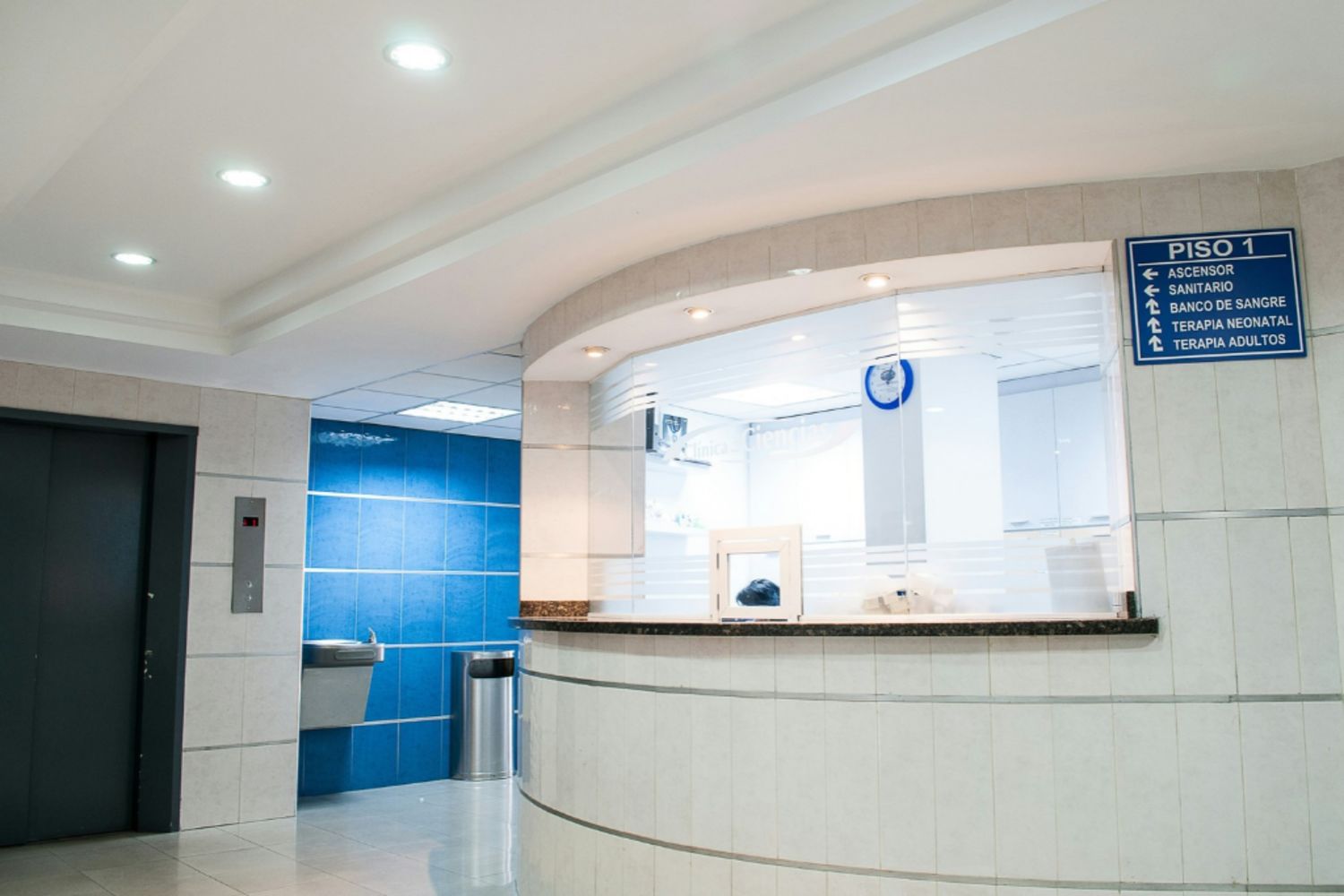
Technology
The Predictive Hospital: How Data Is Helping Healthcare Run Smarter
Predictive analytics helps hospitals spot bottlenecks before they occur. Electronic health records, IoT bed sensors, wearable biosensors, and staffing data feed models that forecast emergency room demand, flag patient deterioration, and even predict staff turnover. Standards such as HL7 and FHIR unify these sources. Adoption depends on AI that is explainable, transparent, and well governed.

Architecture
The Spomenik: Yugoslavia’s Abstract Memorials Between Sculpture and Landscape
Across socialist Yugoslavia, abstract concrete memorials built from the 1960s to the 1980s commemorate the victims of fascism and the partisan resistance of the Second World War. The Spomenik merge sculpture, architecture and landscape, from Jasenovac to the Makedonium. Many fell into neglect after 1990, yet they remain a case study for designers in how built space carries memory.

Technology
Beyond the Nursing Home: Tech-Driven Senior Spaces
Technology is turning nursing homes into active partners in care. Invisible systems, sensors and AI spot risks early and free staff for people. Barrier-free, flexible design supports a whole life journey, while digital platforms fight isolation. Privacy, regulation and financing remain hurdles. What counts is not the technology itself, but how it is integrated.

Security
How to Apply the Least Privilege Principle (PoLP) to Reduce Cybersecurity Risks
Users, applications and systems should only have the access they strictly need – that is the Principle of Least Privilege (PoLP). Benefits include a smaller attack surface, damage containment, compliance and insider-threat protection. A five-step rollout, the link to Zero Trust, employee training and common implementation challenges round out the picture.


Podcast Stories
See all Podcast StoriesSee all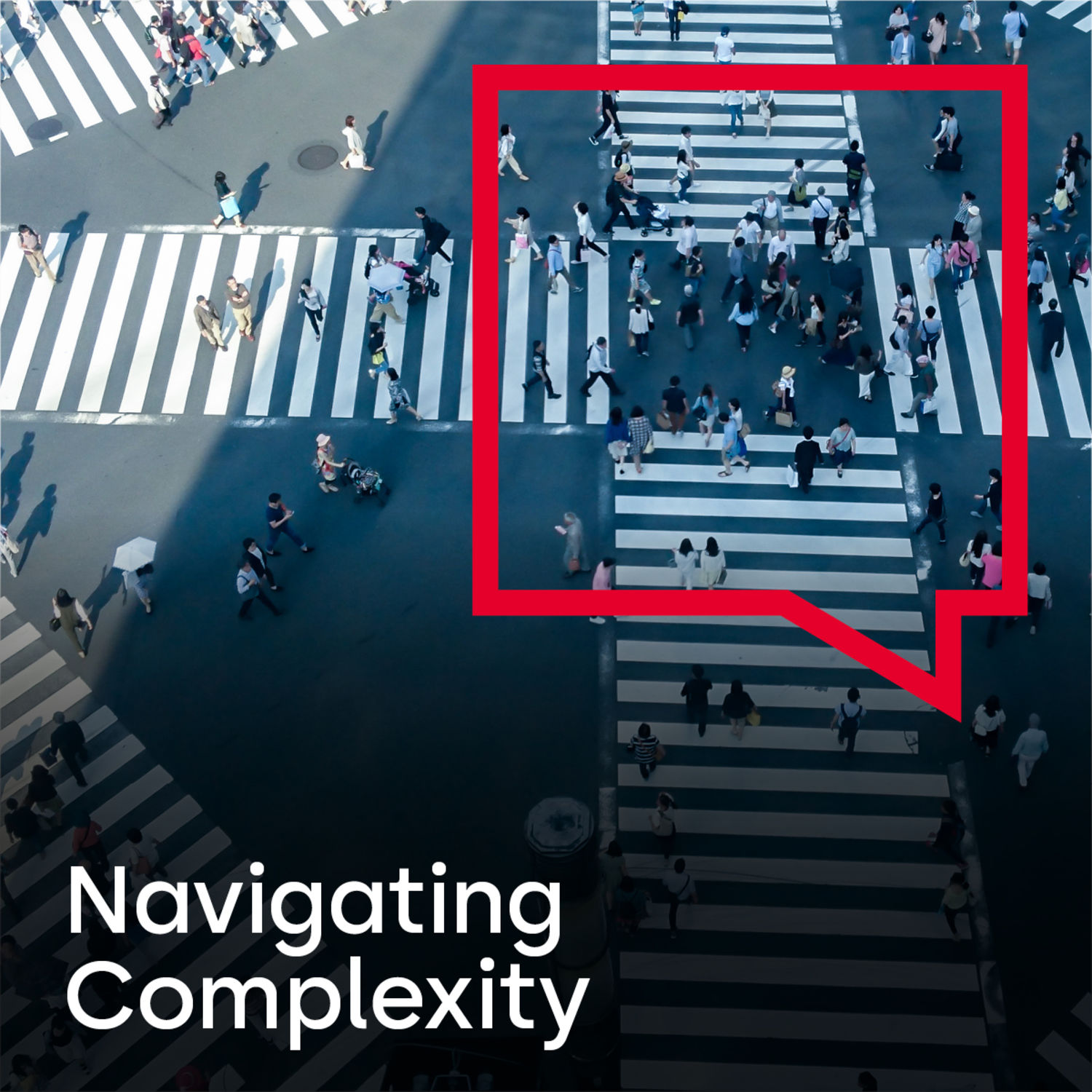
Technology, Architecture
Navigating Complexity: Integrating Access Control into Architectural Design

Architecture, Urbanization, Technology
Sustainable Solutions: Redefining Building Access & Security

Technology, Security, Architecture
Stadium Security: Access solutions enhance fan journeys, elevate VIP experiences and secure stadiums
Interviews
See all InterviewsSee alldormakaba and openDBL - Interview with Adrià Vila Cucó
openDBL is designed to streamline planning processes, revolutionizing project execution.