Inspire
References
See all ReferencesSee all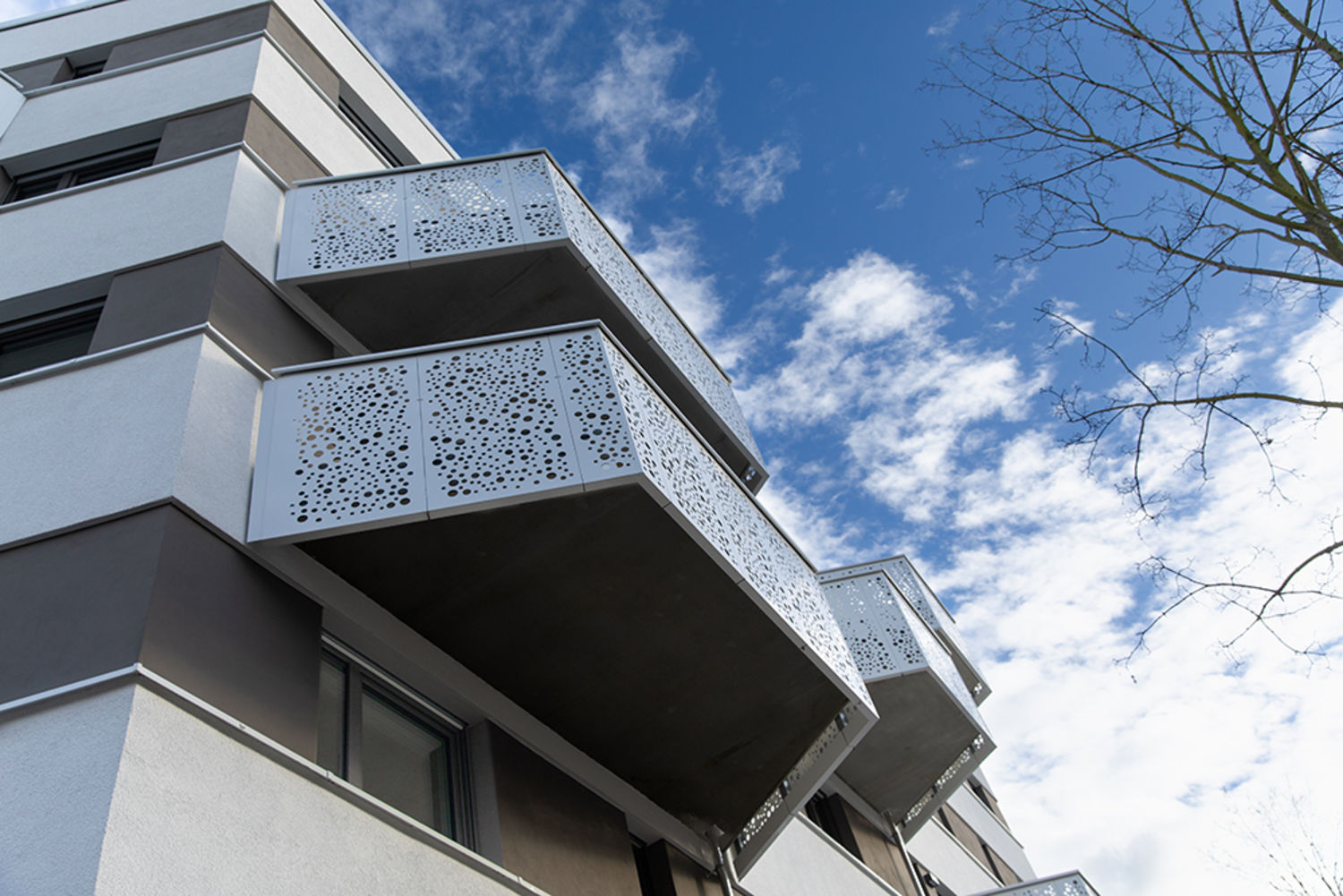
Germany
Wohncampus Halle
Digital master key system for Halle’s smart residential campus

Switzerland
Residential and office building
Modern access in the heart of Zurich
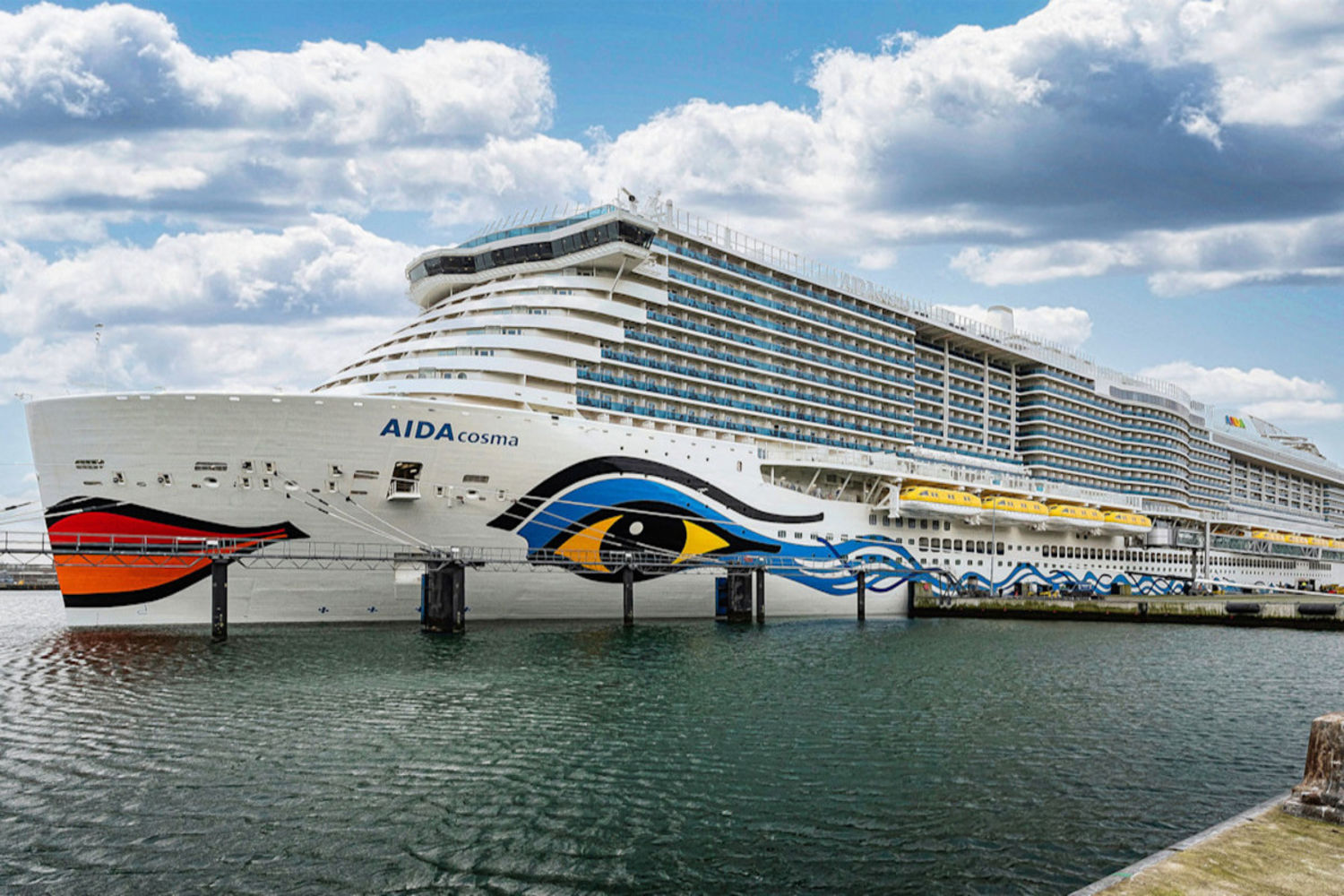
Germany
AIDAcosma
Master key systems provide smooth sailing aboard the AIDAcosma
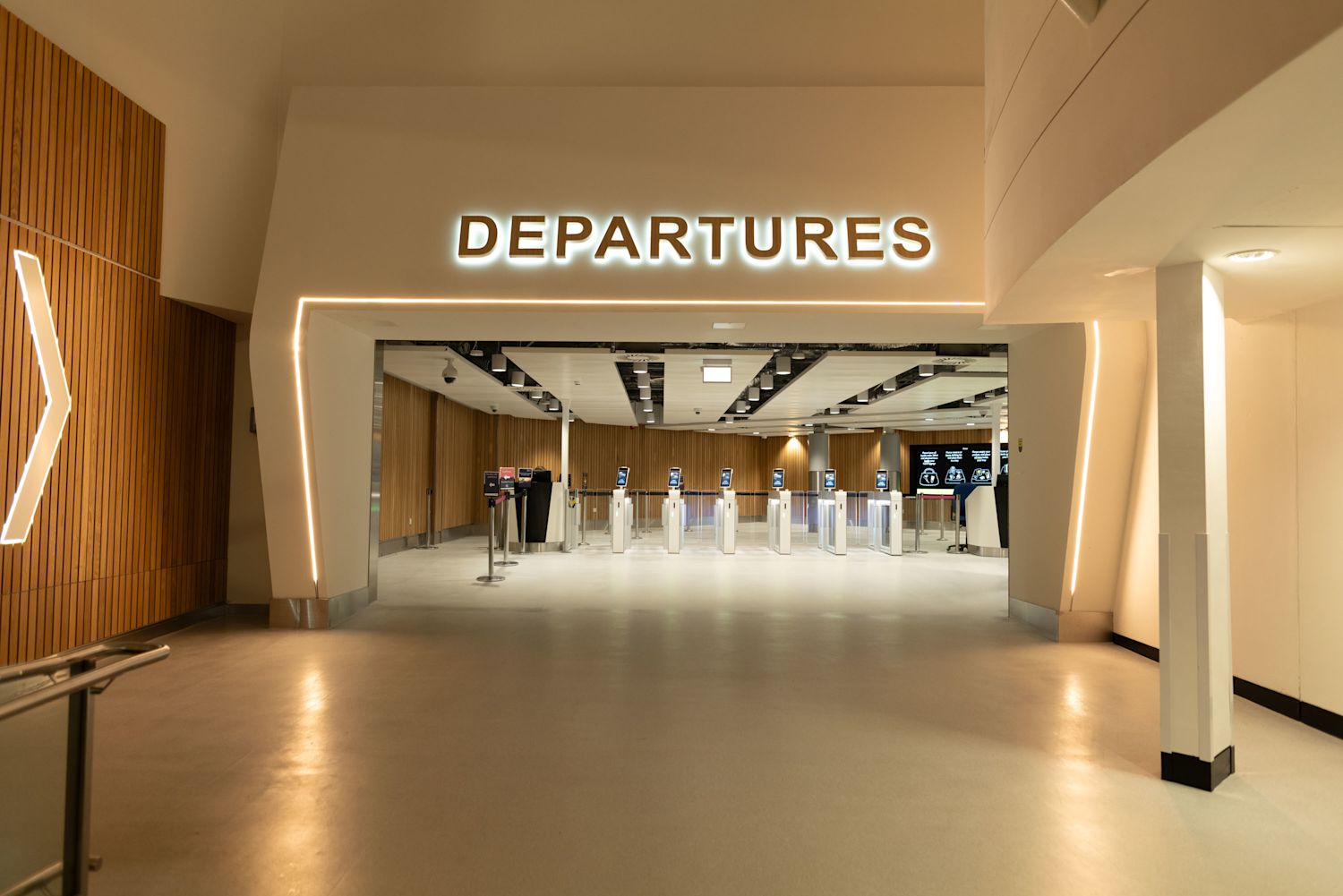
United Kingdom
East Midlands Airport
Improving airport passenger flow management for families
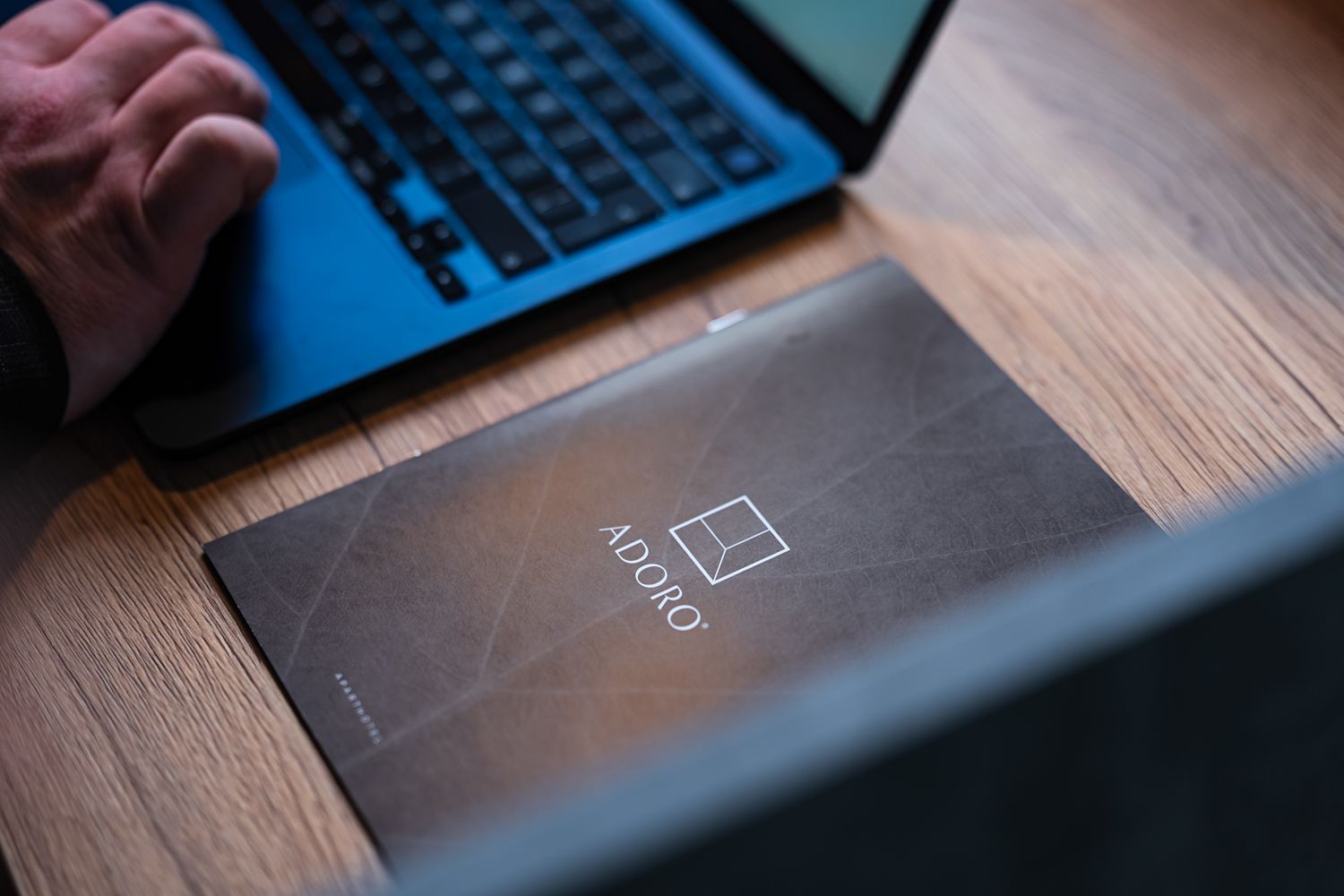
Germany
Adoro Aparthotel
A hotel access control system for a seamless guest experience
Featured Blog Articles
See all Featured Blog ArticlesSee all
Security
How to Apply the Least Privilege Principle (PoLP) to Reduce Cybersecurity Risks
Users, applications and systems should only have the access they strictly need – that is the Principle of Least Privilege (PoLP). Benefits include a smaller attack surface, damage containment, compliance and insider-threat protection. A five-step rollout, the link to Zero Trust, employee training and common implementation challenges round out the picture.

Society
Why Stadiums Are Becoming Urban Regeneration Catalysts
Stadiums are expensive and often sit empty outside matchdays. A new generation is designed for year-round use: modular seating, retractable roofs and hybrid programming open them to concerts, conferences and the community. Examples like SoFi Stadium and Tottenham Hotspur Stadium show how venues can anchor mixed-use districts and drive urban regeneration.

Technology
Robots and Drones: Autonomous Inspection for Critical Infrastructures
Autonomous systems can offer a new model of inspection capable of reducing risk to people without sacrificing the need for rigorous oversight.

Architecture
Know Your Architecture: Art Deco and Its 5 Finest Examples
Art Deco was a prominent artistic and design movement that flourished between the 1920s and 1940s. It emerged in the aftermath of World War I, reflecting a newfound sense of optimism, modernity, and a desire for luxury. This era saw rapid technological advancements and a fascination with progress.
Knowledge Articles
See all Knowledge ArticlesSee all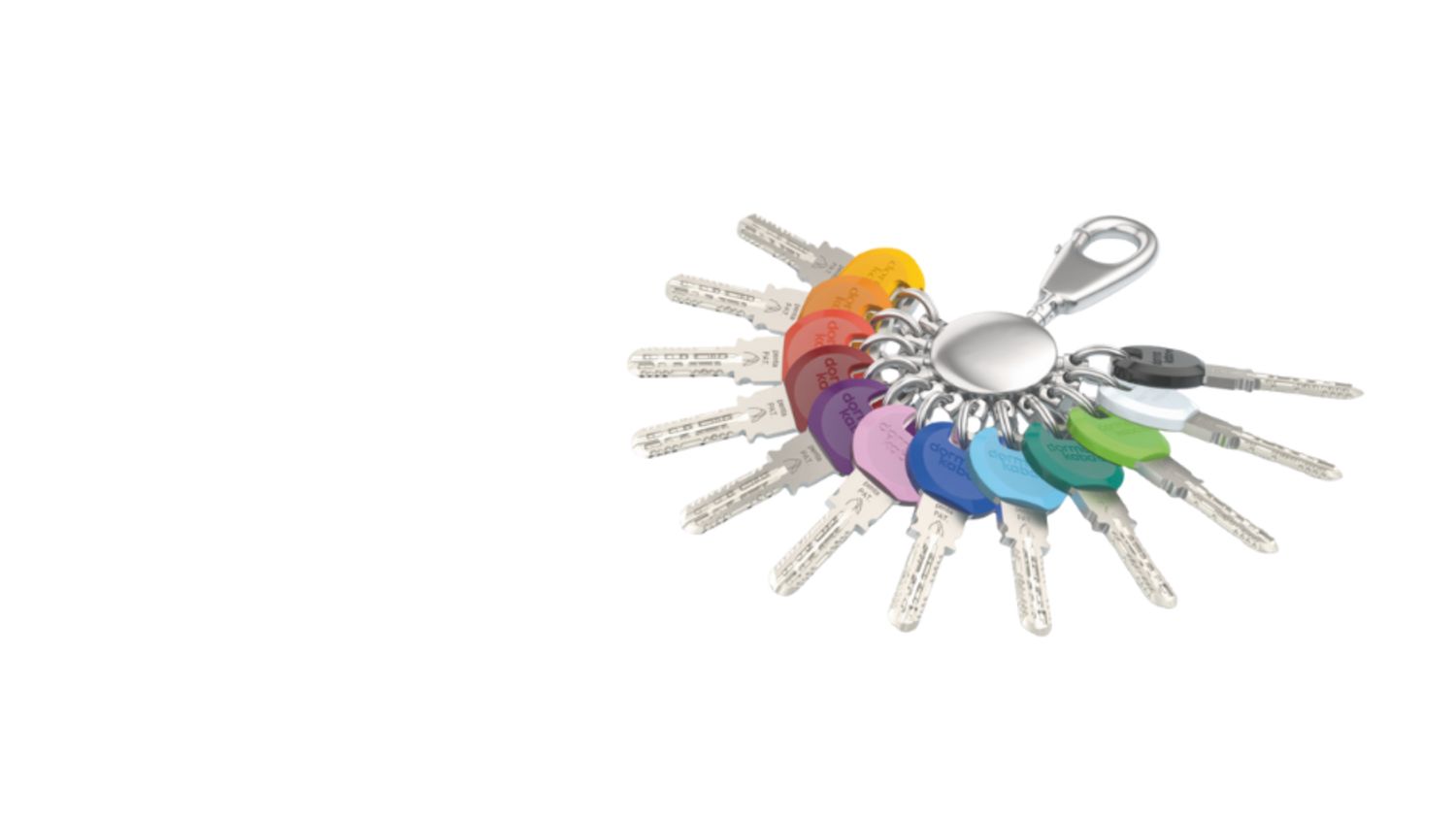
Product
Secure Your Operations with Precision: Custom Locking Solutions Built for Utilities and Industry
Protecting critical infrastructure demands more than standard security. dormakaba’s engineered bespoke locking solutions deliver precision, speed, and resilience — tailored to the unique challenges of utilities, telecoms, rail, and beyond. Built to endure real-world conditions, our systems keep essential services secure, compliant, and future-ready.

Architecture, Technology
Five key considerations for integrated access planning: a guide for architects and planners

Architecture, Society, Technology
The history and future of access control: from ancient locks to a keyless future
Interviews
See all InterviewsSee allarchitects connect 2025 - London
Spaces of Trust: Rethinking the Balance of Freedom & Security
architects connect 2025 – Humanity & Security interview
Bringing together voices from participating architects and dormakaba experts.
architects connect 2025 – Security & Architecture interview
We brought architects and dormakaba experts together to explore how security can enhance.
Football is all about emotions - the perfect strategy for the best stadium access
dormakaba make every match a success for everyone. Because everyone wins!
Architects Connect 2024 – Digitalisation in architecture interview
Interview with leading global architects discussing "Digitalization in Architecture" at Architects Connect 2024.
architects connect 2024 - Human-proof architecture interview
Interview with leading global architects discussing "Human-Proof Architecture" at Architects Connect 2024.
architects connect 2024 – Sustainability in architecture interview
Interview with leading global architects discussing "Sustainability in Architecture" at Architects Connect 2024.
Architects Connect 25 - Speed Interview: Balancing Design & Security in Modern Spaces
Ed Parham and Daniel Schepers share fresh perspectives on the future of security and access in the built environment.
Architects Connect 2025 – Psychology & Architecture interview
Leading architects explore Psychology & Architecture at architects connect 2025
Architects Connect 25 - Speed Interview: Architecture for People: Security, Access & Inclusion
Recorded live from the ARCHITECTCONNECT Summit 2025 at the iconic Battersea Power Station in London.
Whitepapers
See all WhitepapersSee all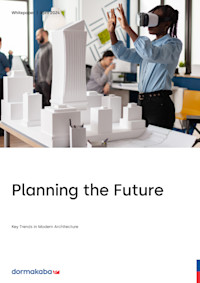
Key Trends in Modern Architecture
Planning the Future
As cities grow and technology advances, our approach to architecture is evolving. We reimagine how we plan, build and also access and interact with buildings.
See more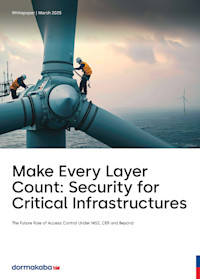
The Future Role of Access Control Under NIS2, CER and Beyond
Security for Critical Infrastructures
The global threat landscape is looking more precarious than ever. Rising geopolitical tensions have led to more frequent and technologically more sophisticated attacks on critical infrastructure.
See more